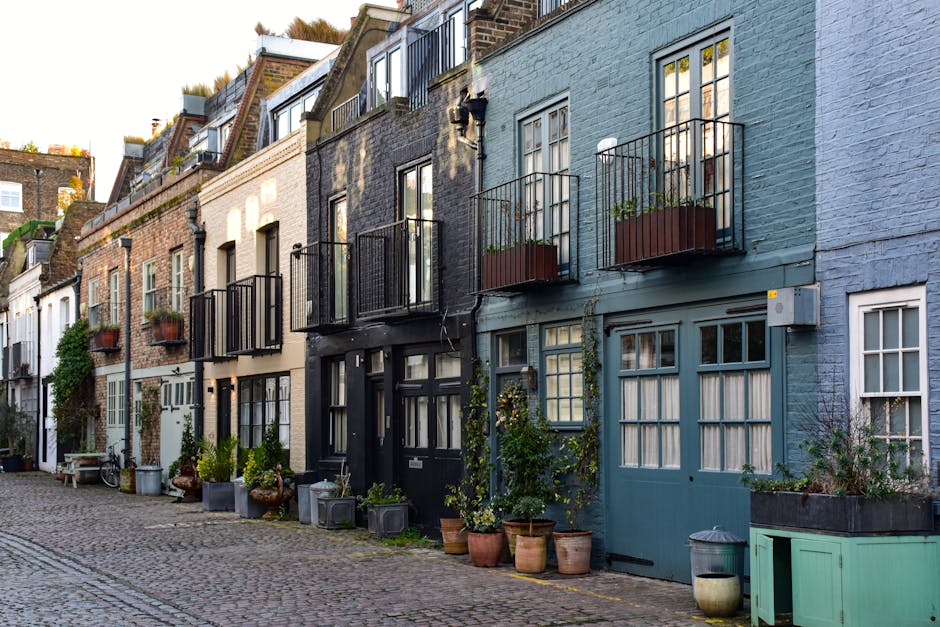
Drury Lane Garden Care Micro Garden Solutions Near Covent Garden
Small outdoor spaces can be surprisingly demanding. A narrow courtyard off Drury Lane, a roof terrace near Covent Garden, or a tiny paved patio tucked behind a townhouse all need the same thing: thoughtful care that makes every square metre work harder. That is where Drury Lane garden care micro garden solutions near Covent Garden come in. The goal is not to force a full-scale garden into a postage-stamp space. It is to shape a compact, resilient, attractive green area that actually suits the way you live.
In practice, that means clever planting, tidy structure, sensible maintenance, and a design that can cope with shade, wind, pollution, limited soil volume, and the stop-start reality of city life. If you have ever looked at a tiny garden and thought, "Where on earth do I start?", you are in the right place. Let's break it down properly.
Why Drury Lane garden care micro garden solutions near Covent Garden Matters
London micro gardens are not miniature versions of suburban gardens. They are their own thing. Around Drury Lane and the wider Covent Garden area, space is often fragmented, overlooked, shaded by buildings, or exposed to odd gusts that whip through courtyards and alleys. That creates a very specific set of challenges, and traditional gardening advice only gets you so far.
Micro garden solutions matter because they help you avoid the common trap of overplanting or overfurnishing a small area. In a compact setting, one wrong move can make the whole space feel cramped. A pot that is too large, a hedge left unchecked, a climber planted in the wrong place, or a patio that is left slippery and tired can quickly overwhelm the space. Good garden care brings balance back.
There is also a more practical side. In a central London setting, people often want gardens that are low-fuss, tidy, and usable at short notice. A micro garden may double as a coffee spot, a quiet reading corner, a place for herbs, or simply a view from the kitchen window. That changes the priorities. The most beautiful solution is the one that works on a wet Tuesday morning, not just on a sunny weekend. Truth be told, that is where many gardens succeed or fail.
For inspiration on the kinds of planting that can make small spaces feel full without feeling cluttered, it can help to look at ideas like ground cover plants for year-round texture and evergreen climbers for shaded areas. Those two approaches alone can transform a cramped corner into something far more inviting.
How Drury Lane garden care micro garden solutions near Covent Garden Works
Micro garden care works by treating space as a design material. You are not just maintaining plants; you are managing light, height, edges, movement, and maintenance time. Every decision has to earn its keep. A successful small garden usually follows a simple pattern: simplify the structure, choose plants with purpose, and keep access easy.
That starts with a proper assessment. The amount of sun, the direction of wind, the type of surface, drainage, privacy needs, and how the space is used all matter. A north-facing courtyard beside a brick wall behaves very differently from a south-facing terrace. One might suit ferns, ivy alternatives, and evergreen structure. The other might ask for Mediterranean-style planting, herbs, and drought-tolerant container schemes.
From there, micro garden solutions tend to focus on layers. Not layers in the messy sense, more in the visual sense:
- Base layer: paving, decking, gravel, or a simple low-maintenance surface.
- Middle layer: pots, raised planters, compact shrubs, and herbaceous planting.
- Vertical layer: climbers, trellis panels, wall planters, and hanging features.
- Detail layer: lighting, seating, seasonal colour, and small decorative touches.
That layered approach helps the space feel intentional rather than crowded. A tiny garden can look far more generous when the eye is directed upwards as well as across. If you have ever stood in a courtyard and wondered why it felt smaller after adding plants, it is usually because the composition lacked vertical rhythm.
Maintenance is the other half of the equation. A micro garden can go from crisp to chaotic fast if pruning, watering, and cleaning are neglected. Services such as regular garden maintenance, patio cleaning, and even lawn care where a small grass area exists, keep the space looking deliberate rather than overlooked.
Key Benefits and Practical Advantages
The benefits of a well-planned micro garden are not just visual. Yes, it looks better. But in a central London context, the practical gains matter just as much.
- Better use of limited space: Small gardens become functional instead of awkward.
- Lower maintenance burden: The right planting plan cuts down on constant rescue work.
- Improved privacy: Strategic planting and screening can soften nearby windows and sightlines.
- More year-round interest: Evergreens, textured foliage, and tidy hard landscaping keep the space alive through colder months.
- Cleaner presentation: Micro gardens benefit from a sharp, well-kept look that suits townhouse and mews settings.
- Better resilience: Stronger plant selection helps with wind, shade, and seasonal stress.
There is also a psychological benefit that people underestimate. A small outdoor space that feels calm and coherent genuinely changes how a home feels. You notice it in the morning when you step outside for a coffee, or later in the evening when the light catches the leaves. Tiny, yes. But not trivial.
For households that want a more purposeful outdoor area, the idea can extend beyond planting. A compact seating nook, a narrow herb strip, or a tidy route through the space can make a garden feel usable rather than decorative. If you like that thinking, creative seating ideas for small gardens and a productive herb space are useful companion reads.
Who This Is For and When It Makes Sense
Micro garden solutions are ideal for people who have more ambition than square footage. That sounds a bit cheeky, but it is often true. You may need this approach if you have one or more of the following:
- A small courtyard or paved yard
- A terrace or roof garden with exposed edges
- A shaded rear space that struggles with moss, weeds, or poor growth
- A narrow frontage that needs a neat, welcoming look
- An investment property where presentation matters
- A family home where the garden needs to be tidy, safe, and easy to use
- A space that has become cluttered, tired, or a little bit neglected
It also makes sense if you do not want to become a full-time gardener. Some people love the process; others simply want the result. Fair enough. A well-designed micro garden can be set up in a way that asks for minimal input while still looking alive and cared for.
For new gardeners, starting small is often the smartest route. Trying to do too much at once is how people end up with half-planted pots, mismatched containers, and a vague sense of defeat. If that sounds familiar, a helpful reset is to look at practical advice for first-time gardeners and simple ways to make garden care easier.
Step-by-Step Guidance
Here is a sensible way to approach Drury Lane micro garden care without making it complicated. Not glamorous, perhaps. But effective.
- Clear the space properly. Remove dead planting, broken containers, old compost, and anything that does not belong. You need a clean starting point. Small spaces punish clutter.
- Check the light and wind. Spend time noticing where sun actually lands during the day. A spot that looks bright at 9am may be shaded by noon. Wind can be sneaky too, especially between buildings.
- Decide on the garden's main job. Is it for relaxing, screening, herbs, pollinators, pets, or visual appeal? If you try to make it everything, it usually becomes nothing in particular.
- Choose a structure first. That could mean raised planters, a slim bench, trellis panels, or a defined path. Structure gives the garden a backbone.
- Pick plants that suit the conditions. Evergreens, compact shrubs, shade-tolerant foliage, climbers, and container-friendly plants tend to perform better than fussy choices.
- Use containers deliberately. Match pot size to root needs, not impulse shopping. A container that looks pretty but dries out in two hours is not a gift.
- Install maintenance-friendly surfaces. If paving or decking is part of the design, keep access clear and surfaces easy to clean.
- Finish with seasonal details. One or two changes a season is enough. You do not need to reinvent the whole thing every month.
A useful habit is to work from the edges inward. Tidy boundaries, then planting, then decoration. That usually creates a more composed result, and it makes maintenance simpler. In small gardens, ease is a design feature, not a compromise.
Expert Tips for Better Results
There are a few things that consistently make micro gardens work better in London conditions. Some are obvious once you hear them, but oddly easy to miss.
- Choose restraint over variety. Three strong plant types often beat ten weak ones. Repetition creates calm.
- Use evergreen structure as the base. It keeps the garden from collapsing visually in winter.
- Think vertical before horizontal. Walls, trellis, and slim planters are your friends.
- Keep one clear route through the space. Even a tiny garden feels better when you can move through it without squeezing past pots.
- Maintain edges aggressively. In small spaces, messy edges read as the whole garden being messy.
- Plan for water movement. Puddling around containers or on hard surfaces creates trouble later.
Where privacy is important, the right planting can do a lot. The trick is to avoid heavy, boxy screening that makes the garden feel boxed in. A lighter solution, such as a mix of climbers, narrow shrubs, and tidy hedge work, usually reads better. For deeper reading on that, the guide to fast-growing hedges for privacy and the page on hedge trimming in Covent Garden are both worth a look.
And yes, sometimes the simplest fix is the best one. A properly pruned climber, a cleaned patio, and three well-chosen pots can outshine a complicated layout every time. Garden design is a little like good tailoring. Fit matters more than noise.
Common Mistakes to Avoid
Micro gardens are unforgiving of clutter and poor planning. The good news? Most problems are very avoidable.
- Overcrowding the space: Too many pots, too many finishes, too many plant species. The result is visual noise.
- Ignoring maintenance access: If you cannot comfortably reach a planter, it will become a nuisance.
- Using thirsty plants in awkward spots: A plant that needs constant watering may not be suitable for a sunny terrace or windy ledge.
- Letting climbers run wild: Ivy, wisteria, and similar growth can overwhelm walls, fences, and neighbouring areas if left unchecked.
- Forgetting drainage: Small spaces often have patchy water flow. Containers and paving need attention.
- Choosing furniture too large for the footprint: One oversized bench can make a garden feel blocked.
- Not planning for winter: A garden that looks great in June but lifeless in January is only half-finished.
One of the most common issues we see is ivy taking over brickwork or fences. It starts charmingly enough. Then one season later, it is everywhere. If that is already happening, the advice in keeping your garden ivy-free is especially relevant.
Another frequent problem is neglect after a busy period. Travel, work, weather, life. It all happens. If the space has slipped, a structured recovery plan is much better than a rushed clear-out. bringing a neglected garden back to life is often easier than people expect, provided the first steps are sensible.
Tools, Resources and Recommendations
You do not need a shed full of specialist kit to manage a micro garden well, but a few reliable tools make a real difference. A lot of garden frustration comes from using the wrong tool for the wrong job. I mean, we have all seen a pruning job attempted with the nearest blunt pair of scissors. Not ideal.
- Hand secateurs: Essential for trimming soft growth, deadheading, and light pruning.
- Long-handled trowel: Useful for container work in tighter spaces.
- Small broom or leaf rake: Keeps paths, patios, and decking presentable.
- Watering can or hose attachment: Better control than overwatering from a full-force spray.
- Quality compost: Particularly important for pots and planters.
- Mulch or decorative top dressing: Helps with moisture retention and a finished look.
- Gloves and basic safety gear: Especially when cutting back woody growth or cleaning hard surfaces.
If you want a more self-contained approach, container-led planting is often the most flexible option in central London. The guide to container gardening in small spaces is a strong starting point. For more ambitious vertical schemes, vertical gardening ideas for urban spaces can help you make the walls work harder.
For people who want ongoing support rather than one-off fixes, it can also help to explore broader gardening services and a tailored pricing and quotes page before deciding what level of help makes sense.
Law, Compliance, Standards, or Best Practice
Garden care in a dense urban area is not the same as garden care in a quiet suburban plot. There are practical responsibilities to keep in mind, especially where access, waste handling, height work, and neighbour impact are involved.
Best practice usually means working safely, keeping shared areas clear, and avoiding damage to boundary structures, paving, or neighbouring property. If a job involves ladders, heavy cutting, or awkward access, a professional should be thinking about safety first, not speed. That is just common sense, but it matters.
For taller trees, unstable limbs, or anything that may affect roofs, walls, or adjoining spaces, specialist attention is wise. In those cases, tree surgery support may be more appropriate than a standard tidy-up. Likewise, if boundaries need refreshing or screening, it may be worth considering fencing services as part of the overall garden plan.
On the administrative side, a reputable provider should be transparent about safety, payment, and service terms. That includes clear policies on health and safety, insurance and safety, and terms and conditions. If privacy is important to you, it is sensible to review the privacy policy and cookie policy too.
There are also straightforward service expectations that help keep things smooth: clear access, agreed timings, sensible communication, and tidy finishing. Nothing fancy. Just the stuff that avoids headaches.
Options, Methods, or Comparison Table
Choosing the right micro garden solution often comes down to deciding what problem matters most. Here is a simple comparison that may help.
| Approach | Best for | Advantages | Trade-offs |
|---|---|---|---|
| Container-led design | Patios, roof terraces, flexible layouts | Easy to refresh, easy to reconfigure, good for seasonal planting | Needs regular watering and feeding |
| Vertical planting | Very narrow or shaded spaces | Saves floor area, adds height and privacy | Can need sturdy supports and careful pruning |
| Evergreen structure | Year-round visual consistency | Looks tidy through winter, works well in urban settings | Requires selection discipline to avoid overcrowding |
| Hard landscaping focus | Low-maintenance courtyards | Clean, durable, simple to maintain | Can feel stark without planting balance |
| Mixed micro garden | Homes wanting a bit of everything | Balanced, attractive, adaptable | Needs a careful plan to stay coherent |
For many Covent Garden homes, the mixed approach is the sweet spot. It lets you keep the practicality of clean surfaces and easy access while still bringing in enough planting to soften the architecture. A little structure, a little softness. That combination works.
If surfaces are part of the issue, especially in a small paved area, patio cleaning and decking services can make the whole composition feel fresher before planting even begins.
Case Study or Real-World Example
Here is a practical example based on a very typical central London micro garden setup. A small courtyard near Drury Lane had three problems: heavy shade from neighbouring buildings, a tired paved surface, and a collection of mismatched pots that made the space feel smaller than it was. Not unusual at all.
The first step was to clear the visual clutter. Old containers were grouped, weak plants were removed, and the paving was cleaned. That alone made the courtyard feel twice as calm. Next came structure: one vertical trellis for climbers, a pair of slim raised planters, and a compact seating area that did not dominate the footprint.
Planting focused on evergreen texture, shade tolerance, and a few seasonal highlights. Instead of cramming in lots of different varieties, the scheme used repetition: two main foliage types, one climber, and a handful of herbs for scent and practicality. The effect was quieter, but far more confident.
What changed most was not the amount of planting. It was the sense of order. The space became usable again. It looked intentional in daylight and still looked decent by early evening, when the light softened and the paving no longer felt harsh. A small thing, maybe. But those are the spaces people actually live with.
If the same courtyard had needed a more substantial refresh, a wider landscaping approach could have added even more value. And if privacy had been a bigger issue, a targeted hedge trimming visit would have kept the boundary neat without letting it get bulky.
Practical Checklist
Use this checklist before you start, or before you bring someone in to help.
- Assess the light, shade, and wind patterns.
- Decide what the garden must do: relax, screen, grow, or all three.
- Remove clutter and cut back anything overgrown.
- Check drainage on paving, soil, and containers.
- Choose a simple structure before selecting plants.
- Use a limited plant palette for a more coherent look.
- Include at least one evergreen element.
- Keep access points clear for watering and maintenance.
- Make sure surfaces are clean and safe underfoot.
- Plan for winter, not just summer.
- Review whether the garden needs ongoing maintenance or a one-off reset.
- Check whether any taller work, boundary work, or surface work needs a specialist.
That list may look simple, but simple is usually what wins in a micro garden. The more constrained the space, the more each decision has to earn its place.
Get a free quote today and see how much you can save.
Conclusion
Drury Lane garden care micro garden solutions near Covent Garden are about making small outdoor spaces feel considered, calm, and useful. Not overdone. Not fussy. Just well handled. In a compact London setting, that balance matters more than almost anything else.
Whether you need a full reset, better planting, tidier edges, improved privacy, or just a plan that finally makes sense, the smartest approach is usually the simplest one: assess honestly, design lightly, and maintain consistently. Small gardens can be wonderfully rewarding when they are treated with care and a bit of restraint.
If you are ready to turn a cramped, awkward patch into something quietly lovely, start with a clear plan and the right support. The rest tends to follow.
Frequently Asked Questions
What counts as a micro garden in Covent Garden or Drury Lane?
A micro garden is a very small outdoor space, usually a courtyard, terrace, patio, or narrow yard. The key idea is that the design has to make every inch work without making the area feel cramped.
Can a tiny garden still look lush?
Absolutely. Lush does not have to mean crowded. With the right mix of evergreen structure, vertical planting, and a few well-chosen containers, a small garden can feel full and balanced rather than busy.
What plants work best in a small shaded garden?
Shade-tolerant climbers, evergreen foliage, and compact plants that do not need constant sun are often the best bet. The exact mix depends on how deep the shade is and whether the space is also windy or exposed.
How often should a micro garden be maintained?
Light maintenance is usually best on a regular basis rather than leaving everything until it becomes a big job. In a small space, a little attention every so often keeps the whole thing tidy and manageable.
Is container gardening a good option for Drury Lane properties?
Yes, very often. Containers are flexible, easy to reposition, and ideal when soil access is limited. They are especially useful for terraces, paved yards, and spaces that may need seasonal refreshes.
How do I stop a small garden from looking cluttered?
Keep the plant palette simple, avoid oversized furniture, and repeat a few materials or colours rather than using too many different styles. Clutter builds quickly in a small garden, so restraint is your ally.
What should I do if my garden has become overgrown?
Start with clearing and cutting back rather than adding anything new. Once the structure is visible again, it becomes much easier to decide what to keep, what to remove, and what to replant.
Do micro gardens need professional help, or can I do them myself?
Many parts can be done by hand if you have the time and enjoy the work. But if the space needs pruning, cleaning, rebalancing, or a complete redesign, professional help can save a lot of trial and error.
How can I make a small garden feel more private?
Use slim screening, trained climbers, hedge trimming where appropriate, and careful placement of taller planting. The aim is to soften sightlines without enclosing the space too heavily.
What are the main mistakes people make with micro gardens?
The biggest ones are overcrowding, ignoring drainage, choosing the wrong plants for the light, and forgetting that maintenance access matters. A garden can be beautiful and still be impractical if those basics are missed.
Is there a best time of year to improve a micro garden?
There is no single perfect time, but spring and early autumn are often practical periods for planting and reshaping. That said, cleaning, pruning, and layout improvements can usually be tackled in most seasons with the right approach.
Where can I get help or a quote for garden work near Covent Garden?
If you want a tailored assessment for a small courtyard, terrace, or compact outdoor space, the simplest next step is to speak with a local team through the contact page. A proper conversation usually reveals the best route very quickly.