What to know about access issues for gardeners on Bow Street
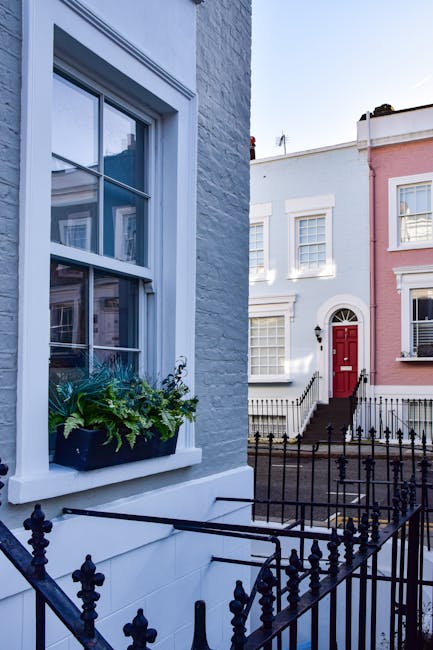
If you are trying to sort out what to know about access issues for gardeners on Bow Street, you are probably dealing with one of those very London problems that sounds simple until you stand there with bags of compost, a mower, and a narrow entrance that turns out to be half a metre too awkward. Bow Street is the kind of place where the details matter: gates, stairwells, shared entrances, loading space, neighbours, noise, and timing all shape how gardening work gets done. The good news? With a bit of planning, most access challenges can be handled cleanly and without stress.
This guide explains the practical side of access on Bow Street, what tends to go wrong, how experienced gardeners work around it, and how to plan visits so everyone's day is easier. You will also find a simple checklist, a comparison table, and a few common mistakes to avoid. In our experience, access is rarely the headline issue at first. It becomes the headline when nobody has thought it through.
Why access issues matter on Bow Street
Access affects almost everything about a garden job. If a gardener cannot get equipment in safely, cannot park nearby, or has to squeeze through a shared hallway with wet soil and tools, the work takes longer and becomes more expensive to deliver. That is true for small maintenance visits and bigger landscaping jobs alike.
On a street like Bow Street, access often determines whether a job is straightforward or slightly fiddly. Sometimes the issue is a narrow side passage. Sometimes it is a building with controlled entry. Sometimes it is simply that the only realistic place to unload is shared with deliveries, taxis, or foot traffic. None of this is unusual, but all of it needs to be known early.
Access matters because it changes the job shape. A gardener planning routine garden maintenance may need to bring hand tools only, while a larger tidy-up or clearance could involve sacks, ladders, pruning gear, or wheelbarrows. That difference sounds obvious, but it is often where delays start. Truth be told, the best jobs are the ones where the access plan is boring. Boring is good here.
There is also a trust angle. When a customer understands the access constraints in advance, it is easier to agree a realistic schedule, a fair quote, and the right level of manpower. It makes the whole arrangement calmer. Less guesswork. Fewer surprises.
How access planning usually works
Good access planning is not complicated, but it is specific. A gardener will usually want to know how they get to the garden, where they can unload, whether there are steps or tight corners, and whether there are any restrictions on timing or vehicle stopping. That lets them decide what equipment to bring and how much time to allow.
For a Bow Street job, access planning often follows a simple chain:
- Initial enquiry - You describe the garden, the property layout, and any known limitations.
- Site review or photo assessment - The gardener checks what can be seen from images, notes, or a short visit if needed.
- Access risk check - Steps, gates, fragile surfaces, locked areas, and nearby parking are considered.
- Workload adjustment - The team decides whether the job needs extra time, smaller tools, or an additional person.
- Visit day setup - The gardener arrives with a plan for entering, unloading, working, and leaving without disruption.
That is the basic structure. The job may be a simple trimming visit or something broader like hedge shaping, border clearance, or patio cleaning. If access is difficult, even small jobs benefit from this planning. If access is easy, the whole thing just runs quicker. Nice and neat.
For many properties, it helps to think about access in three layers: pedestrian access, tool access, and waste removal access. You might be able to walk in easily, but if a mower, ladder, or debris bag cannot follow, the practical access is still limited. That distinction saves a lot of confusion later.
Key benefits and practical advantages
Getting access right does more than avoid inconvenience. It improves the quality of the gardening work itself.
- Cleaner scheduling: The gardener can choose the right start time and duration instead of building in unnecessary uncertainty.
- Better safety: Less lifting in awkward spaces means fewer accidents, slips, and scuffed surfaces.
- More accurate quotes: Work is priced more fairly when access conditions are known up front.
- Less disruption: Neighbours, residents, and building staff are less likely to be disturbed by repeated back-and-forth trips.
- Improved finish: When a team has enough room to work properly, they can focus on detail rather than manoeuvring around obstacles.
There is also a surprisingly practical benefit for the customer: fewer tiny decisions on the day. No one wants to be standing outside with a trolley full of pruning waste wondering whether the gate code works or whether the cellar-style side path is wide enough. A little foresight saves all that.
If your Bow Street garden is compact or awkward, you may also find that solutions from related topics help. For example, container gardening for small spaces can reduce the amount of bulky bed work, while vertical planting ideas for urban gardens can make maintenance easier where floor space and circulation are tight.
Who this is for and when it makes sense
Access planning is useful for almost anyone on Bow Street, but it matters most in a few common situations.
- Flat residents with communal entrances who need garden work done via shared hallways, lifts, or courtyards.
- Busy households where timing matters and the gardener has to work around deliveries, school runs, or office hours.
- Property managers or landlords arranging regular maintenance for tenants or managed outdoor spaces.
- Businesses with planter areas or courtyards that need low-disruption visits.
- Anyone with limited side access where wheelbarrows, tools, or green waste have to be moved carefully.
It also makes sense if the garden itself is not difficult, but the route to it is. That is a common misunderstanding. A tidy little yard may still be awkward if access is through a basement corridor, a locked communal door, or a stairwell with no obvious place to set down tools.
If the job includes larger tasks such as hedge work, pruning, or redesign, the need for planning rises quickly. A garden can be beautiful and still be a logistical puzzle. That is just how urban properties go sometimes.
Step-by-step guidance for a smoother visit
Here is a practical way to handle access issues before the gardener arrives.
- Measure the route, not just the garden. Check gate widths, steps, corridor corners, and any tight turns. If a wheelbarrow must pass through, make sure it can actually turn.
- Note surface risks. Slippery tiles, soft lawns, fragile decking, and polished hallways all need care. If you have recently cleaned a patio or sealed a deck, mention that too.
- Think about parking and unloading. Even a short unload can affect the work plan. The closer the parking, the easier the visit usually goes.
- Flag access controls early. Gate codes, concierge procedures, resident permissions, and opening times should be shared before the day begins.
- Share photos from entry to work area. A few honest photos can be more useful than a long message. One of the entrance, one of the route, one of the garden. Job done.
- Tell the gardener what is being done. Light weeding is one thing; hedge trimming or waste clearance is another. The equipment needs differ.
- Clear movable obstacles. Bikes, bins, toys, plant stands, and garden furniture can make a huge difference. Sometimes it is the easiest win of the whole process.
- Plan for waste removal. Ask where cuttings, soil, or prunings can be stacked safely before collection or disposal.
- Confirm timing. If access is restricted to certain hours, say so. Morning light can be better for some work, but only if the building allows it.
- Leave a contact method on the day. If something changes, quick communication helps everyone adapt without fuss.
A useful rule of thumb: if the route feels annoying to you, it will probably feel annoying to the gardener too. Better to say it plainly than hope it sorts itself out. It rarely does.
Expert tips for better results
These are the little things that tend to separate a smooth visit from a mildly chaotic one.
1. Treat access as part of the quote, not an afterthought
Access can affect labour time, team size, and the tools required. A narrow entry or time-restricted site may need a more tailored plan. That is normal, not a problem.
2. Use smaller, more flexible tools when space is tight
Where full-size equipment is awkward, a gardener may choose compact hand tools, lighter collection bags, or modular kit. For example, a compact approach often works well for lawn care in smaller urban gardens, especially where access through the property is limited.
3. Protect shared surfaces before the work starts
If a route runs through a hallway, side passage, or communal courtyard, ask what should be protected. Simple coverings or careful placement can prevent scuffs and muddy marks. It sounds basic. It is. Also, it matters more than people think.
4. Choose the right job sequence
Sometimes the most practical way to work is not the most obvious. For instance, cutting back overgrowth first can improve access to the rest of the garden. In a cramped site, access can improve as the job progresses.
5. Keep waste volume in mind
Hedge trimming, shrub pruning, and neglected borders often create more waste than expected. If that waste has to travel through a tight route, the job should be planned accordingly. A little extra bagging time is far better than a blocked passage.
6. Use seasonal thinking
Wet leaves, icy steps, strong winds, and winter darkness can all make access more difficult. A job that feels manageable in June may be clumsy in January. If you are planning winter work, it is worth looking at winter plant protection tips and wind damage prevention ideas as part of the wider access plan.
Common mistakes to avoid
Most access problems are preventable. These are the ones we see most often.
- Assuming "easy enough" is enough. A route that is "probably fine" often becomes a bottleneck on the day.
- Forgetting about return trips. Getting in is one thing. Getting out with waste, tools, and materials is another.
- Ignoring waste staging space. If there is nowhere to put clippings temporarily, the whole visit slows down.
- Not mentioning locked or shared entry points. This is a classic time-waster.
- Overloading a visit with work that suits better access. Some jobs are simply better split into stages.
- Leaving garden furniture and bins in the way. It seems minor until somebody tries to carry a hedge trimmer past them.
- Assuming all services need the same access. A simple tidy-up is not the same as landscaping, tree surgery, or fencing work.
One slightly awkward but very real mistake is not telling the gardener about a building's quirks. A service lift, a coded courtyard, or a narrow alley is not a "small detail". It can change the whole plan. No drama, just reality.
Tools, resources and recommendations
You do not need specialist equipment to prepare well, but a few simple tools and habits make access management far easier.
- Measuring tape: Helpful for checking gate widths, passageways, and turning space.
- Phone photos: The quickest way to show entry points, obstacles, and the garden route.
- Notepad or message summary: Useful for listing codes, timing windows, and special instructions.
- Temporary floor protection: Consider this if tools must cross a shared interior area.
- Clear storage bags or bins: Handy for collecting smaller waste in stages.
- Basic route checklist: Gate, path, step, surface, obstacle, waste point, exit. Keep it simple.
For broader planning, it can also help to review related practical guides on the same site, such as useful garden tools for smoother work or planning a neglected garden comeback if the space needs more than a routine tidy. If privacy screening is part of the job, fast-growing hedge ideas can also be useful in long-term planning.
Law, compliance, standards and best practice
Access on Bow Street is not just about convenience. There are also practical standards and duties to think about. The exact requirements depend on the property type, the work being carried out, and whether the site is residential, managed, or shared.
From a best-practice point of view, a professional gardener should work in a way that reduces risk to people and property. That means clear communication, sensible manual handling, safe tool movement, and respect for shared areas. In many UK settings, this also means taking care around public access, building rules, and any site-specific instructions.
If the work involves larger equipment, ladders, heavy waste, or tasks near shared access points, the garden team should think carefully about safe movement and site control. The same applies if there are children, pets, or members of the public nearby. A tidy process is not just nicer. It is safer.
It is also wise to check the provider's own policies before booking. Pages such as health and safety guidance, insurance and safety information, terms and conditions, and payment and security are useful because they show how the business approaches risk, responsibility, and admin. You may also want to review accessibility information if the route itself creates mobility concerns.
For work that involves neighbouring spaces or shared entrances, it is sensible to be especially cautious about noise, mess, and timing. That is not about being overly formal. It is just good manners, really.
Options, methods, and comparison table
When access is tricky, there are usually several ways to handle the work. The best choice depends on the layout, the scale of the job, and how often the garden needs attention.
| Approach | Best for | Pros | Trade-offs |
|---|---|---|---|
| Single-visit manual carry-in | Small gardens, light maintenance, simple toolkits | Quick, flexible, minimal setup | Not ideal for bulky waste or heavy equipment |
| Staged work with multiple trips | Overgrown gardens, shared access, awkward routes | Reduces congestion, easier waste handling | May take longer overall |
| Smaller team with compact tools | Narrow passages, fragile surfaces, restricted entry | Lower disruption, more control | May limit how much can be completed in one go |
| Work split across separate appointments | Busy buildings, larger projects, tight schedules | Less pressure on the access route | Requires more coordination |
There is no universally "best" method. A small courtyard that only needs light trimming might be perfect for one compact visit. A neglected corner garden with heavy debris may work better in stages. The trick is to match the method to the route, not the other way around.
Case study or real-world example
Here is a realistic Bow Street scenario. A resident wants a front and rear tidy-up done before guests arrive at the weekend. The garden itself is modest, but access is through a shared passage and a narrow side gate. There is also limited stopping space nearby.
At first glance, it looks like a quick morning job. But once the access is reviewed, a few issues appear: the gate opens inward, the passage has a turn too tight for larger waste bags, and a communal area needs to stay clear between 8 and 10 a.m. None of these are deal-breakers. They just need planning.
The solution is simple enough: use smaller hand tools, arrive after the restricted window, stage cuttings in smaller loads, and keep the route clear before starting. The result is a tidy garden, no awkward interruptions, and no muddy footprints in the communal hallway. Not glamorous, perhaps, but everyone ends the day happier.
That kind of job is common. Access is not always a problem; sometimes it is just a set of constraints that need to be respected. Once that is accepted, the rest usually falls into place.
Practical checklist
Before the gardener arrives, run through this list.
- Measure the gate or passage width.
- Check for steps, slopes, or slippery surfaces.
- Confirm where the team can park or unload.
- Share access codes or entry instructions early.
- Remove bins, bikes, toys, and movable furniture.
- Tell the gardener about shared spaces or quiet hours.
- Show where waste can be staged safely.
- Let them know if pets, children, or neighbours are likely to be nearby.
- Send photos of the route if the layout is awkward.
- Confirm the exact scope of work so the right tools are brought.
Expert summary: the cleaner the access plan, the smoother the visit. If Bow Street access feels tight, say so plainly and early. Most gardeners would rather hear the awkward detail in advance than discover it while carrying tools through a narrow gap. That is just common sense, and it saves everybody a bit of hassle.
If your garden needs more than a one-off visit, it may be worth reviewing broader services such as general gardening services, landscaping support, tree surgery, or fencing work, because access constraints can affect those jobs even more than routine maintenance.
Get a free quote today and see how much you can save.
Conclusion
Access issues for gardeners on Bow Street are rarely about one single obstacle. More often, they are a mix of small details: narrow entry, shared routes, parking pressure, timing restrictions, and the practical realities of carrying tools and waste through a lived-in space. The sooner those details are shared, the better the result.
If you plan access properly, the work becomes calmer, cleaner, and usually more cost-effective. And if the route is awkward, that is fine too. It just means the job should be designed around the space, not forced into it. That little shift makes a big difference.
In the end, a good gardening visit is one where the plants get attention, the property stays protected, and nobody has to improvise with a wheelbarrow in a tight corridor. That is the sweet spot.
Frequently Asked Questions
What should I tell a gardener about access on Bow Street?
Tell them how to reach the garden, where they can enter, whether there are steps or narrow passages, and if there are any timing restrictions, codes, or shared areas. Photos help a lot too.
Why does access change the price of gardening work?
Access affects how long the job takes, what tools can be used, and whether extra labour is needed. Awkward routes or limited unloading space can add time, so the quote may need to reflect that.
Can a gardener work if there is no parking right outside?
Usually yes, but the visit may need a different setup. If the gardener has to carry tools or waste farther, that should be factored into the plan. It is workable, just less convenient.
What if the garden can only be reached through a shared hallway?
That is common in London properties. The key is to protect surfaces, keep the route tidy, and follow any building rules. Let the gardener know in advance so they can plan accordingly.
Do I need to clear the route before the gardener arrives?
Yes, wherever possible. Move bikes, bins, toys, and loose items. A clear route reduces trip hazards and helps the work start on time.
Is Bow Street access more difficult in winter?
Often yes. Wet surfaces, poor light, icy steps, and weather-related clutter can all make access trickier. Winter jobs can still be done, but they need a bit more care.
What kind of jobs are most affected by poor access?
Jobs that involve bulky waste, larger tools, ladders, or repeated trips are most affected. Hedge trimming, clearance work, and landscaping are especially sensitive to access limitations.
Should I send photos before booking?
Absolutely. A few clear photos of the entrance, route, and garden space are one of the easiest ways to avoid misunderstandings. They save time for everyone.
Can access issues affect safety?
Yes. Tight spaces, slippery surfaces, and awkward carrying routes increase the chance of slips or scuffs. That is why access planning is also a safety issue, not just a convenience issue.
What happens if access turns out to be worse than expected?
The gardener may need to change the approach, reduce the scope, use smaller tools, or reschedule part of the work. Honest communication usually keeps things manageable.
Are there particular policies I should check before booking?
It helps to review health and safety information, insurance, terms and conditions, and payment details. Those pages show how the provider handles risk and responsibilities.
What is the best way to make a Bow Street garden easier to maintain long term?
Use a simple layout, keep access routes clear, consider container planting where space is tight, and avoid letting waste or furniture block the entry path. Small choices make future visits much easier.
How do I know whether I need a full site visit first?
If the route is straightforward, photos may be enough. If there are codes, narrow entrances, shared spaces, or heavy work involved, a site visit or more detailed review is usually worth it.
Can access problems be handled for regular maintenance as well as one-off jobs?
Yes. In fact, regular maintenance often works better once access is understood, because the gardener can build a repeatable routine that fits the property.
Contact the team for help planning your Bow Street garden visit.